Period Underwear vs. Pads: Which Is Really the Smarter Choice for Your Cycle in 2025?
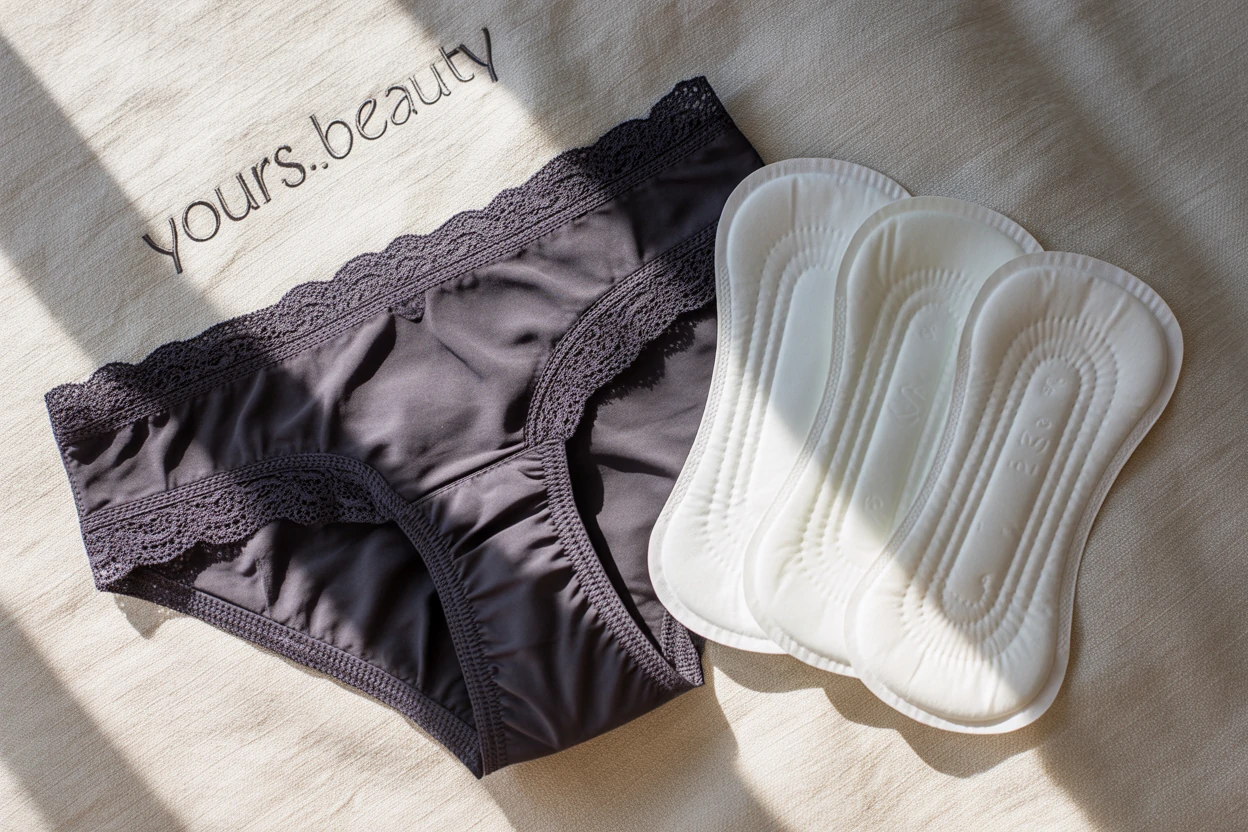


You know the feeling of standing in the period care aisle, looking at endless options, and wondering if there's a better way to handle your cycle. It's a shared experience, that frustration with potential leaks from pads, the monthly expense, and the sheer discomfort of disposable products.
You are not just imagining it; in fact, the entire landscape of menstrual care is changing. As a chemist and founder of a brand dedicated to problem-solving design, I've seen this shift firsthand. It's moving away from clever marketing and towards evidence-based solutions.
A recent survey from the Apple Women's Health Study highlights this major shift. More people are now exploring new and sustainable period products like reusable period underwear. It's a move toward options that promise better comfort, superior period underwear absorbency, and a much smaller impact on our planet.
In this guide, I'm going to break down the science in the period underwear vs pads debate. We will look at everything from absorbency and skin health to the real long-term cost and environmental footprint. You'll get the verifiable facts you need to decide which option is the smartest move for your cycle and your values.


After figuring out why conscious period care is so important, the next logical step is to understand the two main products: period underwear and pads.
Period underwear looks and feels much like your everyday briefs but features advanced multi-layer technology. Top brands like Modibodi and Aisle use materials such as soft organic cotton, bamboo, or even merino wool in the absorbent gusset.
Each pair is meticulously designed to absorb a specific amount of fluid. For instance, some heavy-flow styles from brands like WUKA can hold up to 12 tampons' worth of blood. With proper care, they can last two to three years, significantly reducing both waste and the need for single-use period items.
On the other hand, sanitary pads are external absorbent sheets that stick to your underwear. They come in various types—like overnight, maxi, and ultra-thin—for different flow levels. Most commercial pads are made with a polyethylene plastic backsheet and a core of wood cellulose mixed with super-absorbent polymers (SAPs). These single-use products can shift during activity and may cause discomfort. While pads offer quick convenience, reusable period underwear provides a secure, often chemical-free fit and greater sustainability, making it a science-backed choice for your health and values.
When comparing period underwear vs pads for daily life, the former relies on moisture-wicking textiles and flexible designs to give you more freedom and comfort than bulky pads. While pads provide a quick solution for travel or emergencies, the scientific upgrades in period underwear make it a smarter choice for daily activity and ease. This makes it ideal if you prioritize comfort and sustainability in your menstrual routine.
The use of soft, breathable fabrics like organic cotton and bamboo is what truly sets period underwear apart from most pads. Modern textile engineering has made these fibers both gentle on sensitive skin and incredibly effective at managing moisture.
The gusset is designed to contour perfectly to your body, giving you a secure fit that prevents leaks without the stiff, bulky feeling common with sanitary pads. Brands like Bambody are known for their exceptionally soft bamboo fabric, making them a popular choice for all-day lounging and comfort.
A pro-tip often shared on forums like Reddit is to consider sizing up in some brands, especially for overnight use, to ensure a non-restrictive and comfortable fit while you sleep.
You can wear most period underwear for up to 12 hours, depending on your flow, and still feel dry. Many users say it feels almost like regular underwear, which reduces the constant awareness of wearing a menstrual product. This inherent flexibility and secure design allow you to move freely, making it perfect for busy days and physical activities.
Pads are incredibly portable, fitting easily into a bag or pocket for quick changes during busy days. Their wide availability in pharmacies and stores also makes them a reliable option if your period starts unexpectedly.
Furthermore, you can find pads with different absorbency levels, such as the super or ultra maxi pads designed for heavy flow. This variety gives you options for everything from daytime errands to long work hours.
Unlike reusable period underwear, disposable pads don't require washing. This makes them practical on trips, at school, or anywhere you have limited access to laundry. However, a common complaint in user reviews is the failure of the adhesive strip, which can cause the pad to shift or bunch up during physical activity. While pads remain a dependable choice in a pinch, reusable products offer advanced comfort and a lower long-term cost.
Period underwear uses multi-layer absorbent fabrics and advanced moisture-wicking technology to lock in fluid and prevent leaks, even on heavy flow days. In contrast, pads absorb liquid quickly with cellulose-based cores. Ultimately, modern reusable underwear often provides better all-day confidence while reducing single-use waste. This makes it a smarter choice for both comfort and sustainability, with pads remaining useful when you need immediate disposal.
High-quality period underwear absorbency comes from its advanced multi-layer gusset. For example, brands like Thinx and Knix offer super-absorbent styles that can hold the equivalent of five to eight tampons' worth of fluid. This high capacity makes them a reliable choice for your heaviest flow days.
The leak-resistant layers in these reusable products are engineered to trap fluid effectively, giving you peace of mind during school, sports, or work. As a result, many users report greater confidence and fewer leaks with this option.
Pads also offer a wide range of absorbency levels. A standard maxi pad holds around 10 ml of fluid (about two super tampons), while overnight pads can hold 10-15 ml. To avoid leaks, you still need to change them frequently, especially during active hours.
For those seeking extra protection, combining period panties with a tampon or menstrual cup is a popular strategy. While pads are reliable when changed often, scientific testing confirms that period underwear excels at holding fluid and preventing leaks for longer periods.
Period underwear is often superior for overnight use because it can absorb a heavy flow for 8 hours or more, letting you sleep without worrying about leaks or changing a pad. Advanced designs, like the Thinx Sleep Shorts or the Cora Period Underwear Sleep Short, provide extended coverage that stays in place even if you toss and turn.
This snug fit prevents the bunching and shifting that can happen with adhesive pads. Research shows a higher satisfaction rate among those who switch to reusable period underwear for overnight use, with surveys indicating that 90% of users prefer it for overnight protection.
While many overnight pads offer extra length, they typically need to be changed every few hours to maintain optimal hygiene, which can disrupt your sleep. Modern period panties help you reduce waste, cost less over time, and avoid the chemicals found in some disposable options. With textile advancements from brands like Saalt and Knix, period underwear delivers better peace of mind throughout the night.
Material science plays a huge role in how menstrual products interact with your body. Period underwear, typically made from moisture-wicking and breathable fabrics, offers a chemical-free and comfortable experience. In contrast, some disposable pads with plastic layers can trap heat and moisture, potentially irritating sensitive skin.
Period underwear is usually made from soft, breathable fabrics that help reduce chafing and irritation. Materials like organic cotton and bamboo, used by brands like Saalt and Boody, feature moisture-wicking technology that keeps skin drier and minimizes the risk of rashes.
Unlike pads that may contain fragrances, dyes, or plastic layers, period panties generally avoid common irritants linked to skin sensitivity. A 2018 study found that while rare, some rashes from pads are caused by allergies to the adhesives used.
A significant health concern that has emerged is the presence of PFAS (per- and polyfluoroalkyl substances), also known as "forever chemicals," in some menstrual products. A 2025 study in Environmental Science & Technology Letters found that one-third of the period underwear tested contained levels of PFAS high enough to suggest they were intentionally added, likely for stain and liquid resistance. To avoid these chemicals, look for brands like Aisle, Saalt, or TomboyX that provide third-party testing and are certified OEKO-TEX Standard 100, which restricts the use of harmful substances.
Myth: Any reusable period underwear is an automatically safe and eco-friendly choice.
Reality: Not necessarily. As a chemist, I urge consumers to be vigilant about "greenwashing." The shocking discovery of PFAS—"forever chemicals"—in some brands highlights a major gap between marketing and reality. These chemicals, used for stain resistance, have been linked to health issues. The truly safe and sustainable choice is a brand that offers transparency and backs it up with third-party certifications like OEKO-TEX, which tests for these harmful substances. Always check for certification to ensure the product you're choosing is safe for your body and the environment.
Disposable pads often contain materials like plastic backsheets, adhesives, and synthetic fragrances that can trap heat and moisture against your skin. This environment can encourage bacterial growth, potentially increasing the risk of irritation or bacterial vaginosis (BV).
Period underwear, made from more breathable textiles like cotton or bamboo, allows for better airflow compared to plastic-backed pads. This brings us to a key question: are period panties hygienic? The answer is a resounding yes, as long as you care for them properly.
Washing them thoroughly between uses is critical to prevent bacterial buildup. Here are a few insider tips for keeping them hygienic:
By choosing chemical free period products and following proper cleaning routines, you significantly lower the risk of irritation and infection.

Disposable pads rely on plastics, adhesives, and non-renewable resources, creating a massive amount of landfill waste. Opting for reusable period underwear is a direct way to reduce your environmental footprint, supporting a cleaner future through innovative and sustainable period products.
Each year, billions of menstrual products end up in landfills, with some estimates suggesting around 12 billion in the U.S. alone. Since single-use pads are often made with over 90% plastic, they can take 500 to 800 years to decompose. This means the first disposable pads ever made might still exist in a landfill today.
The environmental cost isn't just about waste. The production of these single-use pads is resource-intensive, requiring large amounts of water and contributing to carbon dioxide emissions. When pads are flushed, they can cause sewer blockages and contribute to plastic pollution in oceans. In contrast, reusable period underwear offers an innovative solution that dramatically reduces long-term waste.
Reusable period underwear offers a clear path to reducing waste. While a disposable pad is used once, a single pair of period panties can last for two years or even longer with proper care. This means one pair can replace hundreds of disposables that would otherwise end up in landfills.
Many modern brands focus on eco-friendly menstrual care by using sustainable materials like organic cotton and recycled nylon, which helps reduce water consumption during production compared to conventional pads.
While comprehensive Life Cycle Assessment (LCA) studies are still emerging, existing research from sources like the U.K. Environment Agency indicates that reusable period products have a significantly lower environmental impact than disposable options. By washing them in cold water and air-drying, you can minimize the resource use even further. This makes them a scientifically sound choice for eco-conscious consumers.
You can save a significant amount of money by making the switch to reusable period underwear, even though the initial purchase price is higher than a box of pads. Their durable, washable design makes them a smart financial and environmental upgrade over single-use products.
When considering the cost of period underwear vs pads, it is helpful to compare both the initial investment and the long-term expenses. The table below breaks down the latest data to help you make an informed choice.
| Product Type | Upfront Cost | Recurring Cost | Estimated 3-Year Cost | Lifespan |
|---|---|---|---|---|
| Period Underwear | $15 - $45 per pair (average 5-7 pairs needed for a full cycle) | Minimal to none | $150 (based on 6 pairs at $25 each) | 2-5 years |
| Disposable Pads | $4 - $15 per pack | $10 - $20 per month | $720 (based on $20 per month) | Single use |
| Reusable Cloth Pads | $15 - $35 per pad (multiple needed) | Minimal; occasional replacement | $120 (based on 6 pads at $20 each) | 5-10 years |
While the initial cost of building a collection of period underwear seems higher, the long-term savings are clear. Over three years, you could save over $500 by switching from disposable pads. This makes reusable options a financially savvy and sustainable choice.
Period underwear is engineered for durability, designed to last for several years with the right care. Brands like Thinx and Modibodi use advanced absorbent textiles and construction techniques that withstand repeated washing without losing their effectiveness.
The key to longevity is proper maintenance. Following care instructions—like rinsing in cold water and always air-drying—will extend their lifespan and ensure they remain hygienic. Many users on forums emphasize that avoiding fabric softeners and high-heat drying is the best way to protect the waterproof layer and elastic.
Disposable pads, by design, are meant for a single use of just a few hours. This means you are constantly repurchasing them, which drives up the long-term costs and contributes to a steady stream of waste. Independent studies on the life cycles of menstrual products consistently show that modern reusable options provide a much better balance of cost-effectiveness and sustainability over time.
Your period care is a personal choice that can reflect your values, whether they are rooted in science, sustainability, or personal wellness. Period underwear, with its advanced reusable design, supports both your comfort and the planet. Pads still offer quick convenience, but making a conscious choice involves looking at the bigger picture.
You can make a meaningful impact by choosing brands that align with your values. The science is clear that reusable products like period underwear offer significant health, environmental, and financial benefits over disposable pads.
Selecting the right period care means matching the science of the product to your personal needs. While period underwear offers clear advantages in comfort, sustainability, and cost, pads can still play a role. Here is how to decide what's best for you.
Ultimately, period underwear stands out as a scientifically advanced choice, blending innovation with comfort. Pads remain convenient for certain situations, but reusable options better meet the needs of modern consumers who value science-backed, ethical solutions.
In the period underwear vs. pads discussion, both products offer effective menstrual protection, but your final choice really hinges on your personal lifestyle, values, and flow. There isn't a one-size-fits-all answer, but there is a science-backed one.
As a final thought, let's move beyond a fictional expert. In my role at kristikaywrites.com/, my mission is to bridge the gap between science and the products we use every day. From my perspective as a chemist, pads use basic absorption principles—quick-wicking layers to pull moisture away. They're effective but not revolutionary.
Period underwear, however, represents a true advancement in textile engineering. It combines multiple specialized layers that work in concert: wicking moisture, absorbing significant fluid, and providing a waterproof barrier. This design not only traps fluid more securely but also maintains breathability, which is crucial for skin health.
From a practical standpoint, pads offer undeniable convenience for quick, on-the-go changes. But the data on long-term value is compelling: reusable underwear has a higher upfront cost but saves significant money over time and drastically reduces landfill waste. For me, the choice is clear. If you value innovation, long-term savings, and sustainability, making the switch to high-quality, reusable period underwear is one of the most intelligent decisions you can make for your menstrual health. I encourage you to try a certified, transparent brand and feel the difference for yourself.
The choice between reusable period underwear and pads hinges on your priorities. From a sustainability standpoint, period underwear is the clear winner, as one person can use over 11,000 disposable pads in a lifetime, each taking centuries to decompose. Financially, while pads have a lower upfront cost, period underwear saves significant money over time. For convenience, pads are easy for on-the-go changes, but many find the comfort and leak protection of period underwear superior for daily wear and overnight.
High-absorbency period underwear from leading brands like Thinx or Knix often outperforms traditional pads. Many styles can hold the equivalent of up to five to ten tampons' worth of fluid, providing more reliable protection for longer, especially on heavy flow days. Most brands offer a range of absorbency levels to match your needs, from light spotting to heavy overnight flow.
Yes, when cared for properly, period panties are perfectly hygienic. They are constructed with moisture-wicking top layers that pull fluid away from the skin and often include antimicrobial technology to inhibit bacteria and odor. The key is to rinse them after use and wash them thoroughly according to the manufacturer's instructions.
Period underwear is significantly more cost-effective in the long run. Despite a higher upfront investment to build a collection, their multi-year lifespan eliminates the continuous monthly expense of buying disposable pads. Over three years, you could save over $500 by making the switch from disposables.
Absolutely. Modern period underwear is designed with heavy flows in mind. Brands offer 'super' or 'overnight' absorbency styles specifically engineered to handle the heaviest days, providing hours of leak-proof protection. For extra peace of mind, some users pair them with a menstrual cup on their most intense flow days.
PFAS are a group of chemicals used to make products resistant to water and stains. Studies have found them in some menstrual products, raising health concerns. To be safe, I strongly recommend choosing period underwear brands that are transparent about their materials and provide third-party certifications like OEKO-TEX Standard 100, which ensures they are tested for and free from harmful substances.