Is Your Vagina Truly Healthy? 5 Essential, Science-Backed Tips for Total Confidence



The core principle of vaginal health science is understanding how to support your body's self-regulating systems. Misleading messages often lead to practices that do more harm than good, like unnecessary douching, which disrupts the delicate vaginal microbiome. Your vagina is brilliantly self-cleaning; when its natural balance is maintained, it requires minimal intervention.
Today, the focus is on bridging biological facts with everyday comfort.
As a chemist and former cosmetics researcher, my work is dedicated to decoding the science behind the products we use and the routines we follow. This guide provides a structured methodology for worry-free vaginal health, grounded in scientific evidence. We will cover five essential areas: understanding your body's anatomy, proper hygiene, safe sexual practices, diet, and the importance of regular medical screenings.
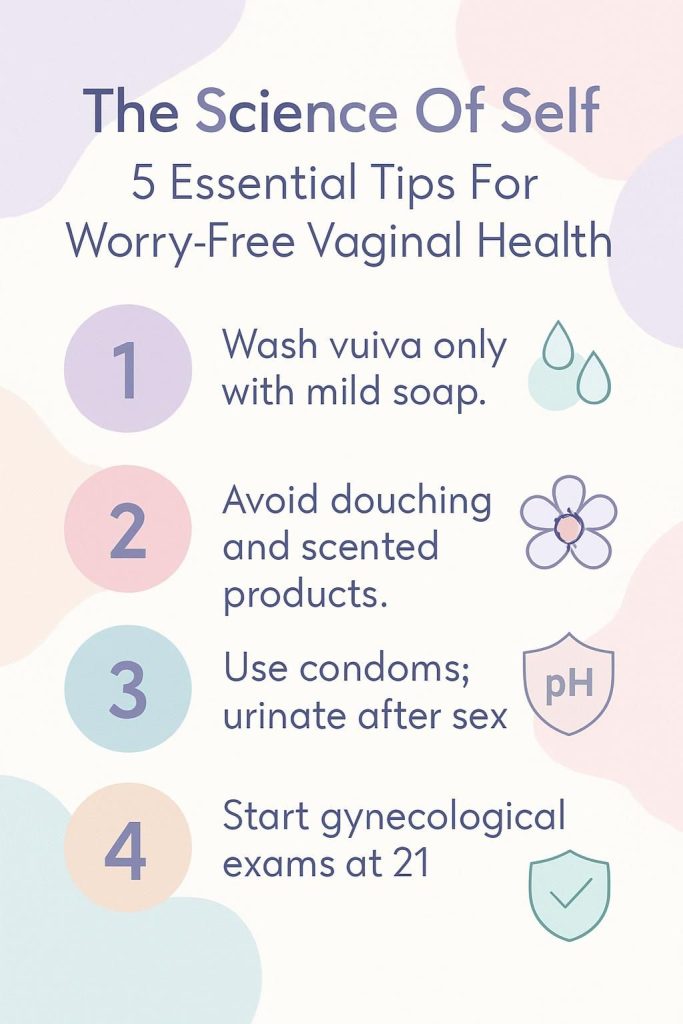
Vaginal health is a critical component of your overall well-being. The vagina hosts a delicate microbiome where beneficial bacteria, primarily Lactobacillus species, maintain a slightly acidic pH. This acidic environment is the body's first line of defense against infections like yeast overgrowth, bacterial vaginosis, and urinary tract infections.
Scientific studies confirm that disrupting this balance with practices like douching can lead to symptoms of unbalanced vaginal flora, including odor or changes in discharge. Hormonal shifts during puberty, pregnancy, and menopause, as well as factors like stress and diet, also impact this ecosystem. For this reason, routine Pap smears and safe sex practices are fundamental to long-term health, helping you gain control over your intimate well-being.
Many people incorrectly assume that any odor or discharge indicates an infection. In reality, the vaginal microbiome is dynamic. The hardworking lactobacillus bacteria constantly work to maintain a healthy vaginal pH balance, which in turn prevents conditions like bacterial vaginosis (BV) and yeast infections.
A prevalent misconception is that the vagina requires vigorous cleaning. In truth, it cleans itself. Using harsh soaps or scented sprays on the vulva strips away protective microbes, increasing your risk for irritation and infection. Therefore, washing only the external vulvar area with a fragrance-free soap is sufficient.
Ultimately, simple, science-backed practices offer the most benefit. Urinating after intercourse helps clear the urethra of bacteria, lowering urinary tract infection rates. Furthermore, choosing breathable cotton underwear helps manage moisture and discourages the growth of fungi responsible for yeast infections.
To understand vaginal health, you must know how the vulva, vaginal canal, and cervix function as a self-regulating system. Lactobacillus species are a vital part of this, maintaining the acidic vaginal pH balance that protects you from harmful microbes. Let's explore what keeps this harmony intact and why it matters for your daily confidence.
Your reproductive system consists of external and internal structures that work in harmony. The vulva, which includes the labia and clitoris, is the external part that protects the vaginal opening from pathogens.
The vaginal canal connects the vulva to the cervix. Its elastic walls produce natural lubrication and maintain a healthy vaginal pH balance, which is typically between 3.8 and 4.5. This acidity is crucial, as it creates an environment where harmful microbes like Gardnerella vaginalis (associated with BV) and Candida albicans (which causes yeast infections) cannot thrive.
The cervix serves as a gateway to the uterus, allowing menstrual blood to exit and sperm to enter. This entire system is protected by a diverse microbiome dominated by beneficial bacteria, primarily Lactobacillus species. Understanding these biological defenses is the first step toward conscious, effective intimate care.
Your vaginal health is influenced by a combination of hormonal, lifestyle, and external factors. For instance, hormonal fluctuations during puberty, pregnancy, and menopause can alter the vaginal pH, making it less acidic and more susceptible to infections.
Beyond hormones, certain actions can disrupt your body's natural defenses.
| Disruptive Factor | Scientific Impact on Vaginal Health |
|---|---|
| Antibiotics | Broad-spectrum antibiotics can eliminate beneficial lactobacillus species along with harmful bacteria, increasing the risk of opportunistic infections like yeast overgrowth. |
| Spermicides | Products containing Nonoxynol-9 can be toxic to protective lactobacilli, altering the delicate balance of the vaginal flora. |
| Douching | This harmful practice washes away the healthy bacteria that maintain acidity, leaving you more vulnerable to infections like bacterial vaginosis. |
Sexual activity also introduces factors to consider. Using condoms helps prevent exposure to sexually transmitted diseases. Furthermore, urinating after vaginal or anal sex is a simple and effective way to lower your risk of a urinary tract infection (UTI). Finally, regular gynecological exams are essential for monitoring your health and addressing any concerns early.
Myth: "Natural" or "herbal" feminine washes are always safer and better for vaginal health than synthetic ones.
Reality: As a chemist, I can tell you that the term 'natural' is a marketing buzzword, not a scientific measure of safety or efficacy. Many natural plant extracts and essential oils can be potent allergens and irritants, especially for the delicate vulvar skin. A well-formulated synthetic cleanser, designed to be pH-balanced, hypoallergenic, and free of common irritants like dyes and fragrances, is often a much safer and more effective choice. The key is gentle, evidence-based formulation, not its origin.
When you use only water or gentle cleansers on your vulva, you directly support a healthy vaginal pH balance and significantly reduce the risk of irritation. The skin's natural protective barrier works in tandem with beneficial lactobacillus to defend against unwanted bacteria. Read on to discover how this simple daily care connects with long-term confidence and peace of mind.
Proper cleaning of the vulvovaginal area is based on one principle: gentle care that protects the vaginal microbiome. The goal is simply to clean the external skin without disrupting the internal ecosystem.
To preserve your natural vaginal pH balance, it's crucial to select the right products. Since the vagina is self-cleaning, you only need to wash the external vulva. Use a mild, fragrance-free cleanser specifically designed for sensitive skin, as fragrances and harsh chemicals are known to cause significant irritation.
Gynecologists and dermatologists often recommend gentle, pH-balanced cleansers like Cetaphil Gentle Skin Cleanser or SweetSpot Labs Microbiome Balancing Full Body Cleanser. This is because they are free from common irritants like dyes, parabens, and strong scents.
Eliminate douches and vaginal steaming from your routine entirely. In my experience, these practices are not only unnecessary but actively harmful. They can strip away beneficial microbes like Lactobacillus reuteri and Lactobacillus rhamnosus, which are crucial for protecting against pathogens. If any product causes itching or irritation, discontinue its use immediately. Familiarizing yourself with your body's normal state is a powerful tool; it allows you to quickly identify any changes and maintain worry-free vaginal care.
Using condoms and gentle lubricants helps you maintain your vaginal pH balance by reducing friction and blocking bacterial transfer. These steps are scientifically proven to lower your risk of infections that might trigger anxiety about sexual health. Read more to discover how science supports each action.
Using condoms consistently provides a critical barrier against sexually transmitted infections (STIs) like chlamydia, gonorrhea, and HIV. According to a 2025 report from the World Health Organization, correct and consistent condom use has a 98% success rate in preventing pregnancy. More importantly, latex or polyurethane condoms physically block viruses and bacteria, helping to maintain your natural vaginal pH balance by preventing the introduction of foreign microbes.
Lubricants can enhance this protection. They work by reducing friction and preventing microtears in the vaginal tissue, which can otherwise serve as entry points for pathogens. For best results, opt for water-based or silicone-based lubricants, as oil-based products can degrade latex condoms and render them ineffective.
It's also wise to be aware that some condoms contain the spermicide nonoxynol-9. Studies have shown this chemical can disrupt protective lactobacillus bacteria, potentially increasing your vulnerability to certain infections. After sex, a simple trip to the bathroom to urinate helps flush bacteria from the urethra, reducing the risk of urinary tract infections. These informed choices build a strong foundation for your health.
Open communication is an non-negotiable foundation of a safe and respectful sexual relationship. Discussing STI screening status, sexual history, and personal boundaries creates an environment of trust and mutual care. In fact, studies show that women who regularly discuss safe sex with their partners are more likely to use protection consistently.
Speaking candidly about preferences, such as for certain types of lubricants or the use of menstrual cups, allows you and your partner to make informed choices that help maintain vaginal pH balance. It's equally important to encourage your partner to share any symptoms or concerns they may have. This transparency can lead to earlier detection of common issues like bacterial vaginosis or yeast infections.
Proactive conversations about symptoms like vaginal bleeding after menopause or pain during intercourse often lead to faster medical evaluation. By educating each other and staying informed about the science of sexual health, you deepen your connection while actively protecting your well-being.
Tracking your menstrual cycle with a period app or calendar helps you detect hormonal shifts and changes in your vaginal pH. These fluctuations can affect the balance of lactobacillus and your risk for bacterial vaginosis or yeast infections. Learn how this simple habit empowers a worry-free, science-based approach to your well-being.
Your menstrual cycle is regulated by the hormones estrogen and progesterone, which signal the uterus to build up and then shed its lining. These same hormones also influence your vaginal secretions and the composition of the vaginal microbiome. A healthy vaginal environment, rich in Lactobacillus bacteria, works hard to remain acidic throughout your cycle to protect against infections.
A typical, regular cycle is a strong sign of good reproductive health. However, significant changes in cycle length, bleeding patterns, or pain levels can indicate an underlying issue. Unusually heavy or irregular periods may be caused by stress, medication, or medical conditions like polycystic ovary syndrome (PCOS), which affects up to 13% of reproductive-aged women.
Using tools like the apps Flo or Clue can help you monitor your cycle and notice important patterns. Many users find that tracking symptoms provides valuable, objective data to share with their healthcare provider. Interestingly, using menstrual cups made from medical-grade silicone can also help maintain a stable vaginal pH compared to some tampons, which may reduce the risk of irritation for some individuals.
Monitoring your body for changes is the key to early detection. For example, abnormal vaginal discharge, particularly if it has a strong odor, changes color, or is accompanied by itching or burning, often signals an imbalance in your vaginal flora. This could be due to a common infection like bacterial vaginosis or a yeast infection.
You should also pay close attention to the following signs:
Recognizing these symptoms allows for timely intervention and helps prevent more serious complications. Regular self-examination and maintaining open communication with your physician are crucial for your long-term health.

Your vaginal health is supported by a delicate balance of hormones like estrogen and beneficial bacteria like lactobacilli. These vital bacteria thrive on specific nutrients from fiber-rich foods and adequate hydration. Discover how simple adjustments to your meals and fluid intake can directly support your body's amazing natural defenses.
A balanced diet is foundational to maintaining your vaginal microbiome. In my research, I've found that certain foods provide the precise nutrients that beneficial bacteria need to thrive.
Focus on incorporating these key food groups:
For some individuals, a targeted probiotic supplement may be beneficial. If you choose this route, look for products containing well-researched strains like Lactobacillus crispatus, which is one of the most dominant species found in a healthy vaginal microbiome.
Proper hydration is essential for overall health, and it plays a direct and often overlooked role in vaginal function. Adequate water intake directly supports the mucous membranes that line the vaginal tissue, helping to maintain natural lubrication and a balanced pH.
Dehydration can contribute to vaginal dryness, which may cause itching, irritation, or painful sex. To prevent this, aim to drink enough fluids to keep your urine a pale, light yellow color. This simple habit also helps your body flush out toxins and can aid in preventing yeast infections naturally.
During menopause, declining estrogen levels often lead to increased vulvar skin dryness. Because of this, staying well-hydrated becomes even more critical during this life stage. Pairing good hydration with a diet rich in vitamins E and C can further support skin moisture and the resilience of the mucosal barrier. This proactive approach helps reduce discomfort and protects against pathogens.
Regular pelvic exams and screenings, such as Pap smears and HPV tests, allow your doctor to detect cellular changes or infections at their earliest, most treatable stages. This science-based routine gives you more control over your health and provides invaluable peace of mind. Discover how this single practice can empower your long-term well-being.
Routine gynecological exams are the cornerstone of proactive vaginal health. These annual or bi-annual visits allow your healthcare provider to identify early signs of infections, structural changes, or even cervical cancer. A Pap smear, which is generally recommended for women starting at age 21, is a laboratory test that detects abnormal cervical cells before they have a chance to become cancerous.
The human papillomavirus (HPV) vaccination is another critical preventive measure, as it targets the viral strains most likely to cause cervical cancer. During a clinical pelvic exam, your doctor can assess the clitoris, vaginal tissues, and other reproductive organs, ensuring that any changes related to life events like childbirth or menopause are properly addressed.
These appointments are also an unparalleled opportunity to discuss best practices for your health, from the proper way to clean the vulva to how to prevent bacterial vaginosis. It is my belief that an informed patient is an empowered one, and these check-ups are key to that education.
Regular check-ups enable early detection through highly effective, standardized screenings. The Pap smear is a fundamental tool for identifying precancerous cellular changes on the cervix, which are often caused by the human papillomavirus (HPV).
Current guidelines from leading organizations like The American College of Obstetricians and Gynecologists (ACOG) typically recommend the following schedule for individuals with normal results:
Your provider may recommend more frequent testing if you have a history of abnormal results or certain chronic conditions like poorly managed diabetes, which can increase infection susceptibility. An open conversation about your sexual health is also important, as it helps your provider determine if testing for sexually transmitted infections (STIs) like chlamydia and gonorrhea is needed. Remember, many STIs are asymptomatic but can cause serious long-term health issues if left untreated.
Taking charge of your vaginal health is a profound act of self-care that empowers you to enjoy both physical comfort and mental confidence. By understanding the science behind how your body works, you can make informed, effective decisions every single day. The journey to wellness is ongoing, and I encourage you to explore more evidence-based advice to deepen your knowledge.
To support your vaginal health, it's best to focus on science-backed daily practices. The vagina cleans itself, so the proper way to care for it involves only washing the external vulva gently with mild, fragrance-free soap and warm water. This simple habit protects beneficial Lactobacillus bacteria and keeps your pH optimally balanced.
Secondly, avoid harsh products and douching, which disrupt your natural ecosystem. Instead, support your body from the inside out with a nutrient-rich diet containing fiber and probiotics from foods like yogurt and kefir. This strengthens your body's defenses. Regular exercise also improves circulation to pelvic organs, promoting better tissue health.
According to a 2025 CDC update, consistent condom use is highly effective at preventing the transmission of many sexually transmitted infections. Finally, routine gynecological check-ups and recommended screenings are absolutely crucial for the early detection of any potential health issues, giving you peace of mind.
Body awareness is perhaps your most powerful tool for early detection. Regular self-exams help you learn what is normal for your unique body, strengthening your confidence and allowing you to spot changes quickly. Evidence confirms that women who attend routine gynecological check-ups identify problems sooner and achieve better long-term health outcomes.
Simple, intentional practices form the basis of effective self-care. For instance, performing Kegel exercises can support pelvic floor strength, which improves vaginal tone and bladder control. Using a period tracking app helps you monitor your cycle for any irregularities that might warrant a discussion with your doctor.
By transforming these ordinary routines into conscious acts of wellness, you nurture both your body and mind. This proactive approach is the key to managing your health with confidence and keeping worry at bay. If you found this guide helpful, please consider sharing it or leaving a comment with your own experiences below.
Proper toilet hygiene is critical for preventing infection. Always wipe from front to back after using the toilet. This simple action prevents harmful bacteria, such as E. coli from the digestive tract, from being transferred to the urethra and vagina, which can cause urinary tract infections (UTIs) and disrupt your vaginal microbiome.
Respecting copyright and referencing credible sources guides you to expert-vetted, trustworthy information from institutions like the World Health Organization or established medical journals. This ensures the health advice you follow is safe, accurate, and based on scientific evidence rather than unverified claims.
For daily care, focus on two simple things. First, wear breathable cotton underwear to reduce moisture buildup, which can discourage yeast growth. Second, when you wash, choose gentle, pH-balanced cleansers that are free of harsh sulfates and fragrances. These actions help maintain a healthy vaginal environment by preventing irritation and supporting your natural microbiome.
Absolutely. Consistently wiping from front to back at the toilet and always washing your hands thoroughly with soap and water are proven methods to reduce your exposure to harmful germs. Over time, these foundational habits significantly lower the risk of recurrent infections like bacterial vaginosis (BV) and promote lasting comfort and health.
Yes, your diet plays a significant role. Eating probiotic-rich foods like yogurt and kefir directly supplies beneficial Lactobacillus bacteria to your system. Additionally, consuming prebiotic fibers from foods like garlic, onions, and apples fuels the good bacteria already present. A balanced diet strengthens your body's natural defenses from the inside out.