Can Mindfulness Meditation Truly Rewire Your Brain? A Practical Guide to the Science
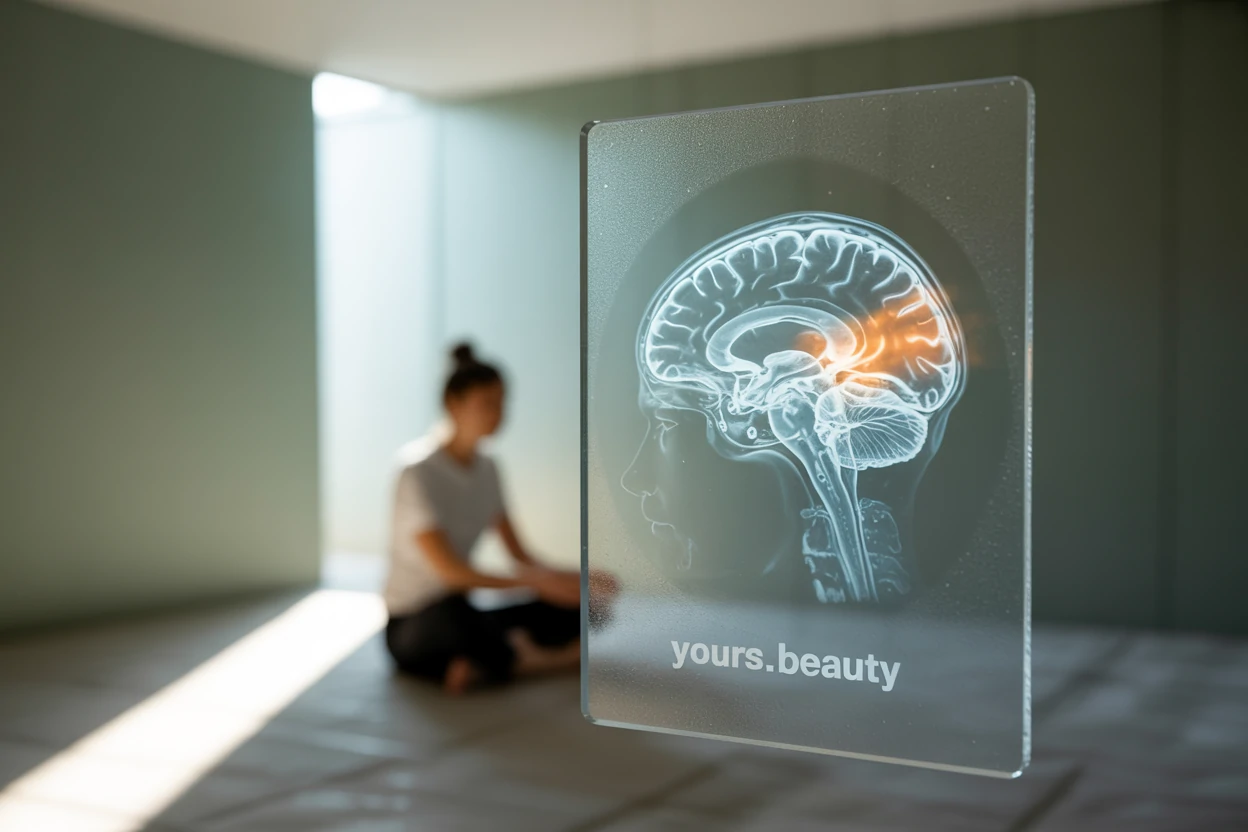


Mindfulness meditation is a practical, science-backed skill for managing stress, emotional exhaustion, and even chronic pain. It is not a quick fix but a reliable method grounded in extensive research. In my experience, the core principle is that you can intentionally train your brain to achieve a state of calm and clarity.
This guide provides a structured, evidence-based lesson on how to use proven mindfulness techniques to build genuine mental resilience. First, we will examine the science behind how this practice measurably changes your brain. Second, we will cover the reasons it has become a vital tool for modern life. Third, we will walk through the exact steps to begin your practice, from beginner to advanced techniques. Finally, we will explore how to integrate these powerful skills into your daily routine for lasting effect.

Mindfulness practice actively stimulates specific areas in your brain linked to emotional regulation and executive functioning, primarily the prefrontal cortex. A robust body of research from neuroscience and psychology demonstrates that daily mindfulness meditation supports measurable stress reduction, improves cognitive health, and encourages lasting positive changes in both mood and behavior.
From the Lab to Your Life: An R&D Perspective
As a chemist who spent years in a cosmetic R&D lab, I've always been driven by evidence. When I first encountered mindfulness, my initial reaction was skeptical; I needed to see the data. What I found was compelling. The science isn't just about feeling good; it's about measurable, structural changes in the brain—a concept known as neuroplasticity. Much like formulating a skincare product requires a precise combination of active ingredients to achieve a result, mindfulness uses specific techniques to "reformulate" our neural pathways for better resilience and emotional clarity. This isn't marketing hype; it's verifiable biology.
During mindfulness meditation, you train your brain to focus on the present moment, which effectively interrupts the cycles of worry and rumination that fuel anxiety. This practice isn't about stopping thoughts, but rather observing them without judgment, reducing their power over you.
Leading researchers like Jon Kabat-Zinn, founder of the Mindfulness-Based Stress Reduction (MBSR) program, have shown how regular practice activates the prefrontal cortex to better regulate emotional responses. A recent landmark study in JAMA Psychiatry found that an eight-week MBSR course was as effective as a standard antidepressant for treating anxiety disorders, with both groups seeing about a 30% reduction in symptoms.
Functional MRI (fMRI) scans reveal that mindfulness strengthens the connection between the prefrontal cortex and the amygdala, the brain's "fight or flight" center. This enhanced connectivity allows for more top-down control over fear and stress reactions, meaning you become less reactive to daily stressors. When you engage in guided meditation or body scan techniques, your nervous system shifts into a relaxed state, which can reduce chronic pain symptoms and lower psychological distress.
Clinical research consistently links mindfulness-based cognitive therapy (MBCT) with lower relapse rates for depression and anxiety, particularly for women managing occupational stress and workplace burnout. For more information on the science of stress, consider this comprehensive review from the National Center for Biotechnology Information (NCBI).
Mindfulness practice triggers significant neuroplastic changes in the brain, fundamentally rewiring its structure and function for the better. This process strengthens the connection between your conscious thoughts and unconscious emotions, helping you recognize feelings with greater clarity and less reactivity.
Pioneering research by Richard Davidson has shown that regular mindful meditation strengthens the prefrontal cortex, which is critical for wise decision-making and emotional regulation. His work also introduced the concept of "affective style," suggesting that mindfulness can shift your baseline emotional state toward more positive and resilient patterns. As a result, managing strong emotions like anger or sadness becomes less overwhelming.
One of the most significant findings is the impact on gray matter. A widely cited study led by researchers at Massachusetts General Hospital demonstrated that an eight-week MBSR program led to increased gray matter density in the hippocampus, which is essential for learning and memory. This same study found a decrease in gray matter in the amygdala, correlating with reduced stress levels. These changes don't just feel good; they actively help slow cognitive decline and support mental sharpness.
The neuroplastic changes from mindfulness practice extend beyond mental clarity to produce tangible benefits for your physical health. By calming the body's stress response, daily mindfulness meditations lead to lower levels of stress hormones like cortisol. This shift helps reduce blood pressure and supports overall heart health.
According to a 2025 statement from the American Heart Association, practicing mindfulness may help you manage high blood pressure, sleep better, and even lower your risk of heart disease. Engaging in mindful meditation activates the body's relaxation response, which can reduce inflammation—a key contributor to many chronic illnesses.
Science-backed programs such as Mindfulness-Based Stress Reduction (MBSR) have demonstrated significant improvements in pain management. Studies show that consistent mindfulness practice encourages healthier lifestyle choices, including:
Mindfulness meditation equips you with practical tools to handle emotional challenges, as proven by extensive research on programs like Mindfulness-Based Stress Reduction (MBSR) and cognitive behavioral therapy. Scientific studies show that steady meditation practice strengthens brain areas for self-control and emotional regulation, giving you a reliable path to lasting calm and resilience.
Mindfulness trains your brain to notice emotions as they arise, creating a crucial pause between feeling and reacting. This pause is where emotional regulation truly happens. The practice activates the dorsolateral prefrontal cortex (dlPFC), a key brain region for executive control that helps you manage emotional impulses from a more objective perspective.
A common mistake for beginners is trying to suppress or fight emotions. Mindfulness teaches the opposite: non-judgmental observation. By allowing feelings to exist without letting them take control, you effectively reduce their power over your actions.
Clinical programs like MBSR, developed by Dr. Jon Kabat-Zinn, have a proven track record of reducing psychological distress through this structured approach. Techniques like loving-kindness and body scan meditation further support this by increasing self-compassion, which is vital for long-term mental resilience, especially when dealing with anxiety or low self-esteem linked to chronic pain.

Mindfulness practice trains your mind to maintain single-minded attention on one task at a time. This skill is crucial for limiting distractions and completing projects more efficiently, especially in a demanding work environment.
Corporate mindfulness programs have demonstrated significant success. For instance, Google's "Search Inside Yourself" program was developed to help employees improve focus and emotional intelligence, leading to reports of enhanced productivity and well-being. Evidence from experts like Jon Kabat-Zinn shows how mindfulness meditation activates brain regions tied to sustained attention and working memory.
A recent meta-analysis confirmed that mindfulness practice reliably improves executive control and sustained attention. As self-awareness grows through regular sessions, your productivity rises because fewer unhelpful thoughts create mental clutter. This mental clarity helps you respond thoughtfully during challenging situations instead of reacting impulsively, preventing employee burnout and work-related stress.
Regular mindfulness meditation builds long-term resilience by physically altering brain regions linked to self-awareness and emotion regulation, particularly the prefrontal cortex. Research from institutions like Sydney University shows these changes help you process traumatic experiences and regulate negative emotions such as despair or anxiety with greater calm.
Mindfulness programs teach you to approach fears and future anxieties with clarity rather than avoidance. This skill reduces emotional reactivity, allowing you to respond to setbacks with focus. A core benefit is the development of "psychological flexibility," a term from Acceptance and Commitment Therapy (ACT), which is the ability to stay present and act on your values even when facing difficult thoughts or feelings.
You learn to recognize automatic reactions tied to past pain or rejection by building present-moment awareness. Over time, this practice rewires those patterns, leading to lasting mental strength and improved psychological well-being.
You can begin mindfulness meditation by setting clear, science-based goals and creating a calming space that supports stress reduction. The following steps are rooted in proven techniques from programs like Mindfulness-Based Stress Reduction (MBSR) to give your mind a solid foundation for practice.
First, select a spot in your home that is naturally calm and as free from daily noise as possible. A tranquil physical environment makes it significantly easier to focus your mind and reduce psychological distress.
Next, ensure you are comfortable. Use soft cushions or a supportive chair to manage any physical discomfort. For added quiet, some people find noise-canceling headphones, like those from Bose or Sony, helpful for minimizing external distractions. You can also use an app like Noisli or Calm to play soothing ambient sounds, such as rain or a gentle stream, which helps mask disruptive noises.
Finally, remove distracting items, such as electronic devices or clutter, as this helps your mind settle. A quiet, dedicated space encourages self-reflection and supports better emotional regulation. Bringing in a calming element, like a plant or a meaningful photo, can also enhance your sense of peace.
Start with small, achievable goals based on recommendations from programs like MBSR. For example, begin with just five minutes of guided meditation once a day. A common pitfall is setting an overly ambitious goal, which can lead to frustration and abandonment of the practice.
A helpful strategy is "habit stacking," a concept from James Clear's book Atomic Habits. Link your new meditation habit to an existing one, such as meditating for five minutes right after your morning coffee. This technique makes the new habit much easier to adopt and maintain.
Consider using a structured program within an app to guide your progress. Apps like Headspace and Insight Timer offer introductory courses that gradually increase session length. Below is a sample progression for a beginner:
| Week | Daily Goal | Focus |
|---|---|---|
| Week 1 | 5 Minutes | Focusing on the breath |
| Week 2 | 7 Minutes | Noticing thoughts without judgment |
| Week 3 | 10 Minutes | Introducing a simple body scan |
| Week 4 | 12-15 Minutes | Sustaining attention |
Find a quiet space and sit upright with your feet flat on the floor and your hands resting comfortably in your lap. Inhale gently through your nose, noticing how your abdomen rises, and then exhale slowly through your mouth. This simple act anchors your attention firmly to the present moment.
A specific and highly effective technique is the 4-7-8 breathing method, popularized by Dr. Andrew Weil. It is renowned for its ability to calm the nervous system by stimulating the vagus nerve.
This exercise directs your full attention to your breath without needing to control it forcefully. Even a few minutes of mindful breathing each day can significantly boost mental clarity and emotional regulation.
You can start with foundational techniques from Mindfulness-Based Stress Reduction (MBSR), like focused breathing and the body scan. Studies from institutions like Sydney University have shown these methods are effective for lowering anxiety and easing chronic pain by activating brain regions responsible for emotional regulation.
Begin by lying on your back in a quiet space and gently closing your eyes. Bring your attention first to the tips of your toes. Notice any sensations—such as warmth, tingling, or tension—without judgment or the need to change them.
Slowly move your focus upward, systematically scanning each part of your body: feet, calves, thighs, abdomen, chest, arms, hands, neck, and head. Observe each area with gentle curiosity. If your mind wanders, which it will, just gently guide it back to the part of the body you were focusing on.
A common experience for beginners is falling asleep during a body scan. Many experienced practitioners on forums like Reddit's r/Meditation advise that this is normal and simply indicates your body needs rest. Acknowledge it and try again later without self-criticism.
Clinical research by Jon Kabat-Zinn highlights that this specific exercise can significantly decrease chronic pain and lower psychological distress. Regular practice improves emotional regulation and promotes greater control over your body's stress responses by enhancing interoceptive awareness—your ability to sense the internal state of your body.
Loving-kindness meditation, or Metta Bhavana, is a powerful practice designed to methodically cultivate compassion for yourself and others. You begin by sitting in a relaxed posture and silently repeating a series of phrases. The process typically unfolds in these stages:
This practice is supported by Barbara Fredrickson's "broaden-and-build theory," which posits that cultivating positive emotions broadens your mindset and builds psychological resources over time. Research shows it activates brain regions linked to empathy and can reduce psychological distress and feelings of loneliness.
After practicing internally focused meditations, you can shift your attention outward through mindful observation. This technique trains you to notice the details of your environment without judgment, anchoring you firmly in the present moment.
A simple yet powerful method is the 5-4-3-2-1 Grounding Technique. It effectively interrupts anxious thought loops by engaging all your senses. To practice it, pause wherever you are and silently identify:
This grounding exercise activates brain regions linked to present-moment awareness and can reshape how your brain registers stress. You can use this technique anywhere to foster instant calm and clarity.
You can use proven tools from Mindfulness-Based Stress Reduction (MBSR) and Cognitive Behavioral Therapy (CBT) to weave awareness into your daily routine. Science shows that daily mindfulness meditation rewires your brain for better emotional regulation and lower psychological distress.
Mindful eating involves bringing your full, non-judgmental attention to the sensory experience of a meal. Before you begin, take a moment to notice the colors, shapes, and smells of your food. As you eat, pay close attention to the tastes and textures in your mouth.
This practice helps you recognize physical cues of hunger and fullness, distinguishing them from emotional triggers for eating. Science shows that mindful meditation during meals lowers stress and supports emotional well-being. By slowing down and savoring your food without distractions like screens, you strengthen the crucial connection between your mind and body.
This daily mindfulness practice can aid in anxiety management and support long-term physical wellness, including better heart health and improved emotional regulation. In this way, every bite becomes an opportunity to nurture both your physical and emotional health.
You can transform routine chores into informal meditation sessions by focusing your full attention on the task at hand. While washing dishes, for example, notice the warmth of the water on your hands, the scent of the soap, and the sound of the running water. This practice is rooted in the four foundations of mindfulness from early Buddhism.
Engage in non-judgmental awareness by observing your thoughts and emotions as they arise without getting carried away by them. If your mind wanders to your to-do list, gently guide it back to the physical sensations of the chore.
Research shows that integrating mindfulness into daily activities activates brain regions linked to self-awareness and emotional well-being. This consistent practice builds psychological resilience and can reduce symptoms of anxiety and chronic pain, turning mundane tasks into opportunities for inner peace.
A simple strategy is to schedule a short break every 90 minutes to allow your brain to reset. During this pause, step away from your desk and engage in a brief mindfulness exercise. A simple focused breathing exercise can lower stress hormone levels and interrupt anxiety spirals.
If possible, take a mindful walk, even if it is just for a few minutes around the office. Pay close attention to the sensation of your feet hitting the ground and the movement of your body, rather than replaying work-related worries in your mind.
Another practical technique is to savor one bite of your lunch without any distractions. Focus entirely on the sensory experience of that single bite. These brief moments of present-moment awareness are shown to reduce psychological distress over time. Regular mindful breaks also promote emotional regulation by helping you recognize the physical signs of stress earlier, supporting better mental health in the workplace.
For those ready to deepen their practice, advanced techniques like walking meditation and Vipassana (insight) meditation can cultivate greater self-awareness. These evidence-based methods activate brain regions tied to emotional regulation and cognitive clarity, helping you build lasting inner peace.
Begin by standing still and bringing your awareness to the soles of your feet. Notice the sensation of contact between your feet and the ground. As you begin to walk at a slow, deliberate pace, focus your full attention on each and every step.
Pay close attention to the physical sensations: the lifting of one foot, the feeling of it moving through the air, and the feeling of it being placed back on the ground. You can coordinate your breath with your steps, perhaps inhaling for three steps and exhaling for three steps.
When your mind wanders, gently guide your focus back to the sensation of walking. This practice of present-moment awareness supports emotional regulation and is shown to lower psychological distress. Consistent practice can improve focus and cognitive function by building new healthy habits for both mind and body.
Journaling provides a structured way to observe and articulate your thoughts and emotions, reinforcing the core principles of mindful meditation. By using techniques inspired by Acceptance and Commitment Therapy (ACT), you can write about daily stressors in a non-judgmental way, which builds deeper self-awareness.
Documenting triggers, feelings, and physical sensations helps you identify patterns in your emotional responses. This turns the journal into a practical tool for improving emotional regulation over time. Reflective writing also fosters the brain changes that build lasting resilience.
Crucially, your journal can reveal how experiences of chronic pain or anxiety shift as your mindfulness practice develops. By tracking your progress, you create tangible proof of the neuroplastic changes occurring in your brain. This process naturally fosters self-compassion as you acknowledge both your struggles and successes on the page.
Ultimately, mindfulness meditation offers a reliable, science-backed path toward emotional balance, stress reduction, and greater self-awareness. The benefits are not abstract; they are the direct result of measurable changes in your brain's structure and function. What I find most compelling is that this is a skill you can build, not an innate trait you either have or don't.
Dr. Evelyn Russo, a leading authority in contemplative science with an MD from Stanford University, emphasizes how programs like The Science Of Self blend modern neuroscience with proven insight meditation techniques.
The extensive research from pioneers like Jon Kabat-Zinn and Richard Davidson confirms that practices like MBSR change brain activation patterns, leading to verifiable improvements in anxiety management, chronic pain relief, and cognitive health.
To get the best results, my advice is to start with simple, effective strategies. Set realistic goals, create a quiet space, and incorporate brief exercises like body scans or mindful breathing into your daily routine. Remember, consistency is more important than duration. By rooting your self-care in these proven methods, you can build lasting mental resilience and well-being. Your journey starts with a single, mindful breath.
Mindfulness meditation is a practice of focusing on the present moment to reduce psychological distress. Studies, such as a prominent one in JAMA Internal Medicine, show mindful meditation can be as effective as standard medication for managing anxiety by training the brain to respond calmly. This mindfulness practice directly supports stress reduction by altering your reactions to stressful thoughts and events.
Mindfulness-Based Stress Reduction (MBSR) and Mindfulness-Based Cognitive Therapy (MBCT) are structured mindfulness programs that improve emotional regulation. For example, research from the University of Oxford confirms MBCT can lower depressive relapse rates by 43%, an effectiveness comparable to antidepressants. These programs teach step-by-step techniques for developing daily mindfulness.
Yes, mindful leadership enhances performance by improving focus and emotional regulation. Companies like Google implement mindfulness programs such as "Search Inside Yourself," and a study by the iOpener Institute found that leaders at 87% of top-performing companies practice everyday mindfulness. This leads to stronger decision-making skills and greater empathy.
Yes, extensive research supports the benefits. The American Heart Association issued a scientific statement in 2025 supporting meditation for lowering cardiovascular risk factors that can lead to heart disease. Furthermore, long-term studies from institutions like the Center for Healthy Minds suggest consistent practice helps preserve brain volume, potentially slowing cognitive decline.
For beginners, the most effective techniques are often the simplest. Focused breathing, such as the 4-7-8 method, and guided body scans are excellent starting points. These practices are cornerstones of programs like MBSR and are easily accessible via apps like Headspace or Insight Timer, which provide structured courses to help you build a consistent habit and achieve inner peace.
For those with a history of trauma, it is vital to adopt a trauma-sensitive mindfulness practice. This approach, informed by experts like Dr. David Treleaven, prioritizes safety by allowing modifications like keeping your eyes open, practicing for shorter durations, or adjusting your posture. The goal is always to maintain a sense of control and safety during your mindfulness exercises, ensuring the practice is healing, not re-traumatizing. Consulting with a trauma-informed therapist or instructor is highly recommended.
Measurable changes can occur surprisingly quickly. A landmark study from Massachusetts General Hospital showed increased gray matter density in the hippocampus after just eight weeks of a Mindfulness-Based Stress Reduction (MBSR) program. While deeper, more lasting changes require consistent, long-term practice, many individuals report feeling less stressed and more focused within a few weeks.